Dr iRIS m. sTEINE


Ketamine Therapy
A deeper therapeutic approach for depression, PTSD, and emotional and somatic patterns that may feel difficult to shift through regular therapy alone
Ketamine-Assisted Psychotherapy
Sometimes people reach a point where therapy has been meaningful, yet something still feels unresolved. You may understand yourself well, but still feel caught in depression, anxiety, emotional shutdown, shame, trauma-related pain, somatic heaviness, or long-standing patterns that do not seem to shift through talk therapy alone.
At times, it can feel as though part of you is ready to approach this work in a different way. Ketamine-assisted psychotherapy can sometimes create space for that deeper process.
My approach to ketamine therapy is not centered on the medicine alone. It is centered on the therapeutic process that surrounds it: careful preparation, a safe and attuned therapeutic relationship, support around the medicine experience, and thoughtful integration afterward.
Ketamine can temporarily soften ordinary defenses and create access to emotions, memories, bodily experience, and perspectives that may be difficult to reach in regular waking consciousness. Therapy helps make sense of what emerges and supports the process of turning insight into meaningful and lasting change.

What Ketamine Assisted Therapy Is
In ketamine-assisted psychotherapy, ketamine is used within a larger psychotherapeutic process. While Ketamine can temporarily increase neuroplasticity and open therapeutic windows of opportunity, the medicine itself is only one part of the work. The broader therapy process, as well as integration work after the ketamine session are what allow insights from the experience to translate into meaningful psychological change.
This work rarely depends on a single experience. More often, it unfolds gradually through the ongoing therapeutic process.

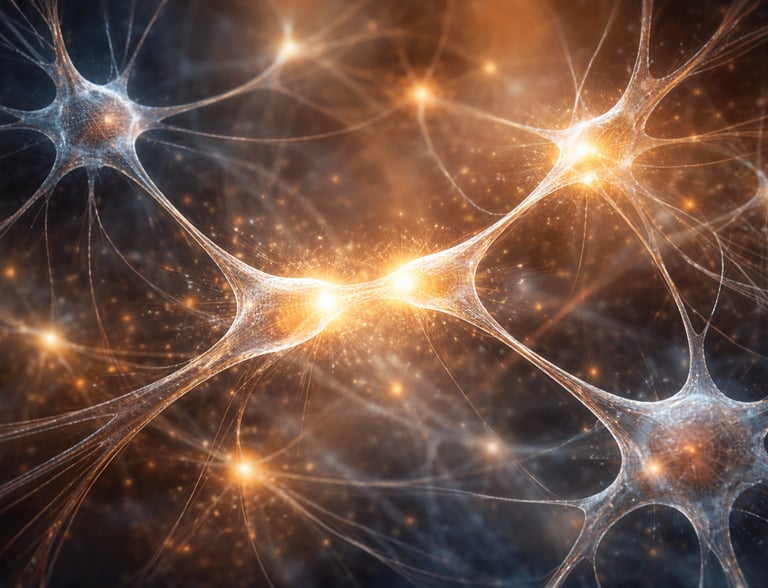
Introducing a temporary neurobiological shift that can help catalyze deeper therapeutic change
An addition to therapy that can support deeper work, not a replacement for the therapy
Ketamine is not a shortcut around therapy. Rather, it can sometimes open a window for deeper emotional processing and new perspectives.
For some people, this means access to material that has been difficult to reach through conversation alone. For others, it may soften patterns that have felt fixed for a long time.
Sometimes the shift is emotional, sometimes somatic, and sometimes it involves seeing yourself or your life in a new way.
Who Ketamine Assisted Therapy May Be For
Some people seek ketamine-assisted therapy because they are struggling with depression. Others come because they feel there are deeper emotional patterns they want to understand or work through, that is difficult to reach. Ketamine can open up a window in which the mind becomes more flexible and receptive, allowing patterns and experiences to be approached with greater openness and receptiveness.
Ketamine-assisted psychotherapy may be worth exploring if:


Symptoms feel 'stuck in the body'
You have found therapy helpful but feel that something deeper has remained difficult to reach or shift, as if something remains 'stuck in the body' despite therapeutic change.
You want to go deeper
You feel ready to approach your healing or self-development journey in a deeper or different way than traditional therapy alone has allowed.
Talk therapy has felt insufficient
You have spent time in therapy and gained insight but still feel stuck in depression, anxiety, or trauma-related symptoms.
What the Process Looks Like
This work usually begins with consultation, assessment, and preparation. Preparation involves understanding your history, hopes, concerns, and questions while establishing a thoughtful foundation for the work.
During the medicine session, the process is more about allowing, listening, and staying open to what arises. Many people find it helpful to enter the experience with a gentle intention rather than a rigid goal.
We return to the material together in integration. Integration helps us understand what emerged, how it connects to your life, and what it may be asking of you over time. This is where moments of insight begin to translate into meaningful change.


Frequently asked questions
What is ketamine-assisted psychotherapy?
Ketamine-assisted psychotherapy combines ketamine treatment with psychotherapy. Research suggests that ketamine can temporarily increase neuroplasticity and psychological flexibility in how the brain processes experience. When combined with psychotherapy, this may create an opportunity to access emotions, memories, bodily experience, or perspectives that can feel harder to reach or change in ordinary talk therapy.
It is useful to think of ketamine as part of a larger therapeutic process rather than a stand-alone solution. The medicine may open the door, but the therapy helps you walk through it.
How do I know if ketamine-assisted psychotherapy may be a good fit for me?
This work may be worth exploring if therapy has helped but you still feel stuck in depression, trauma-related symptoms, or long-standing patterns that haven't shifted through talk therapy alone. Some people reach a plateau in therapy where they understand their patterns but still feel caught in emotion, patterns or dynamics that seem to operate at a deeper level.
Research currently shows the strongest evidence for treatment-resistant depression, though people explore this work for a range of reasons. Fit is considered carefully and individually.
Is ketamine safe when used for mental health treatment?
Ketamine has a long history of medical use. When prescribed appropriately and used under proper medical supervision, it can be a reasonable treatment option for some individuals.
At the same time, it is still a serious medical treatment that requires careful screening, attention to potential risks, and appropriate clinical oversight.
What conditions may ketamine help with?
Research has shown the strongest evidence for treatment-resistant depression. There is also growing research exploring potential benefits for other conditions such as PTSD and certain anxiety-related disorders, though the evidence for these areas is still evolving.
Because of this, it is important to approach ketamine treatment thoughtfully and to consider each person’s situation individually.
Do I need to already have a medical provider, or can you help me find one?
You do not need to already have a medical provider in place. If you already have one, I can coordinate with them as part of your care. If not, I can help connect you with a licensed medical provider so you can explore whether ketamine treatment may be appropriate.
My role focuses on the psychotherapy component: preparation, therapeutic support around the experience, and integration afterward. A licensed medical provider is responsible for prescribing the medication and conducting medical screening.
Who may not be a good fit for ketamine treatment?
Ketamine is not appropriate for everyone. Whether it is a good option depends on careful medical and psychiatric screening.
Certain conditions such as uncontrolled blood pressure, specific cardiovascular concerns, a history of psychosis, or certain substance use concerns may require caution or may make ketamine treatment inappropriate.
A qualified licensed medical provider evaluates these factors to evaluate fit for ketamine assisted therapy before any treatment begins.
What are the possible side effects and risks?
Possible side effects may include dizziness, nausea, sedation, temporary increases in blood pressure, anxiety, and dissociation. Dissociation may involve feeling disconnected from your body, thoughts, or surroundings.
These effects are typically temporary, but it is important to understand them beforehand and to work with qualified medical and therapeutic professionals who can guide the process in an informed and safe manner.
What does a ketamine session feel like?
Experiences vary widely. Some people feel emotionally open, reflective, or inward. Others notice imagery, shifts in perception, or a sense of distance from habitual thought patterns. Some sessions feel profound, while others feel subtle or difficult to interpret at first.
You do not need to have a dramatic experience for the work to be meaningful. Often the value of the experience becomes clearer afterward during integration.
What happens before, during, and after ketamine treatment?
Before treatment, there is consultation, screening, and preparation. We discuss your goals, history, and what you hope to explore.
During the session, the focus is typically inward, often with music and a supportive therapeutic setting.
Afterward, integration sessions help process what emerged and explore how the experience connects to your life and ongoing healing process.
How many ketamine sessions do people usually need?
Ketamine is not a one-off, nor a 'quick fix'. There is no number of sessions or approach that fits everyone. For some, the right approach involve an initial series of sessions, for others a more gradual and individualized approach is right.
The number of sessions is typically determined collaboratively based on your needs, response to treatment, and guidance from your medical provider. While many feel effects after the first session, repeated sessions are often necessary for lasting effects.
Connect
Reach out via the contact form, email or phone.
Phone / Email
JOIN my email list
drirismsteine@gmail.com
+1 510-545-3111
© 2025. All rights reserved.